Exploring The Different Types Of Wheel Based Entertainment
20 August 2026 | 68
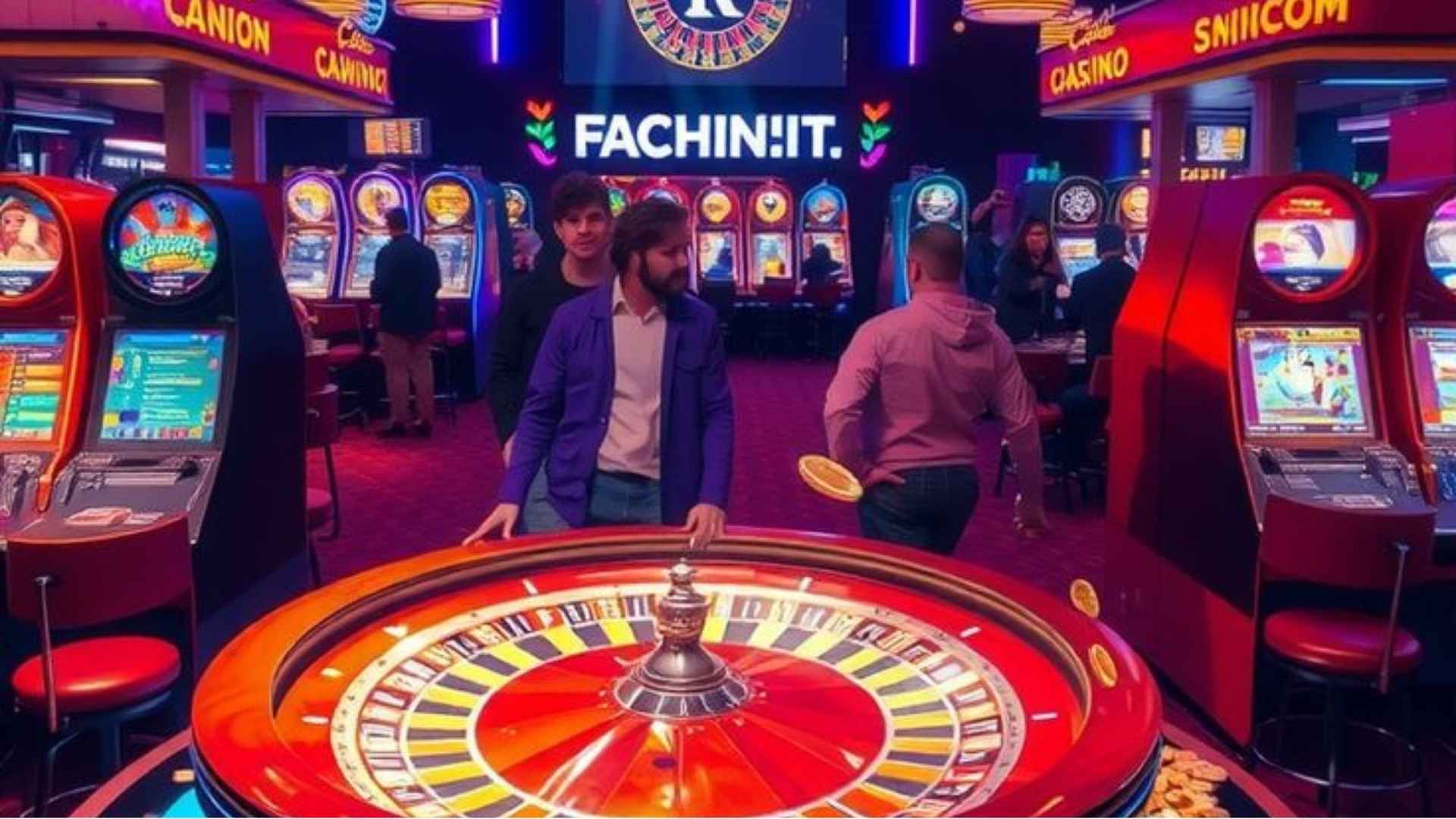
The concept of using a spinning wheel for leisure has a rich history that bridges ancient communal celebrations with modern high-tech platforms. Across the globe, audiences are consistently drawn to the visual simplicity and psychological thrill of watching a rotating disk slowly lose momentum. From carnival midways to sophisticated digital interfaces, this engaging format continues to adapt to changing consumer tastes and emerging entertainment technologies.
The Rich Heritage of Carnival and Fairground Wheels
Amusement parks and traveling local fairs have long relied on physical wheels to anchor their midway attractions. These large, brightly painted wooden or metal structures create a focal point where spectators gather to share a unified emotional experience. The physical clicking sound of the pointer passing over individual pins builds an authentic, palpable suspense that is hard to replicate.
Furthermore, these traditional setups are designed around direct, social interaction and instant gratification for families and friends. Participants do not need to study complex rules or practice detailed physical coordination to join in the fun. This absolute accessibility ensures that mechanical prize wheels remain a staple of community festivals and corporate promotional campaigns worldwide.
Digital Evolution and Virtual Interface Innovations
The transition into online spaces has allowed developers to completely transform traditional spinning concepts using advanced graphics and dynamic math algorithms. Modern virtual platforms offer real-time audio synchronization and cinematic visual effects that dramatically enhance the player's cognitive engagement. These upgrades allow a classic layout to feel entirely new, immersive, and highly responsive to user inputs.
To guarantee seamless access and reliable performance across various geographic regions, operators utilize optimized online networks. Interested participants frequently explore options like the m88 link alternatif to find stable, secure connections to these interactive gaming systems. This modern digital infrastructure ensures that the classic thrill of random selection remains highly dependable and securely structured for audiences everywhere.
Interactive Gamification in Modern Commerce and Media
Beyond traditional gaming, the rotating mechanic has become a powerful tool for customer retention and corporate marketing strategy. Retail brands and casual mobile apps integrate lucky wheels into their loyalty applications to make point distribution feel like an active journey. By shifting away from static milestone lists, businesses create an ongoing loop of curiosity and brand interaction.
This gamified approach relies heavily on the human psychological response to variable reward structures where outcomes are unpredicted. When a consumer initiates a spin to reveal a discount or bonus, the emotional investment in that commercial transaction rises significantly. Consequently, multi-layered wheel interfaces have established themselves as essential elements in contemporary digital design blueprints.
The Lasting Cultural Fascination with Suspense
Ultimately, the global popularity of wheel-based setups stems from how perfectly they balance visual transparency with sudden mystery. Watching a clearly defined map of options decelerate gives the mind a precise timeline to track potential results. This unique micro-moment of waiting often delivers more pure entertainment value than the physical prize eventually received.
As interactive technology continues to shift toward virtual reality and tactile simulations, the spinning wheel will undoubtedly adapt once again. Its foundational simplicity allows creators to modify its appearance endlessly while keeping the core fun completely intact. For generations to come, the simple kinetic journey of the turn will remain a timeless anchor of casual recreation.