Poker Expressions Every Practice Session Uses
30 July 2026 | 113
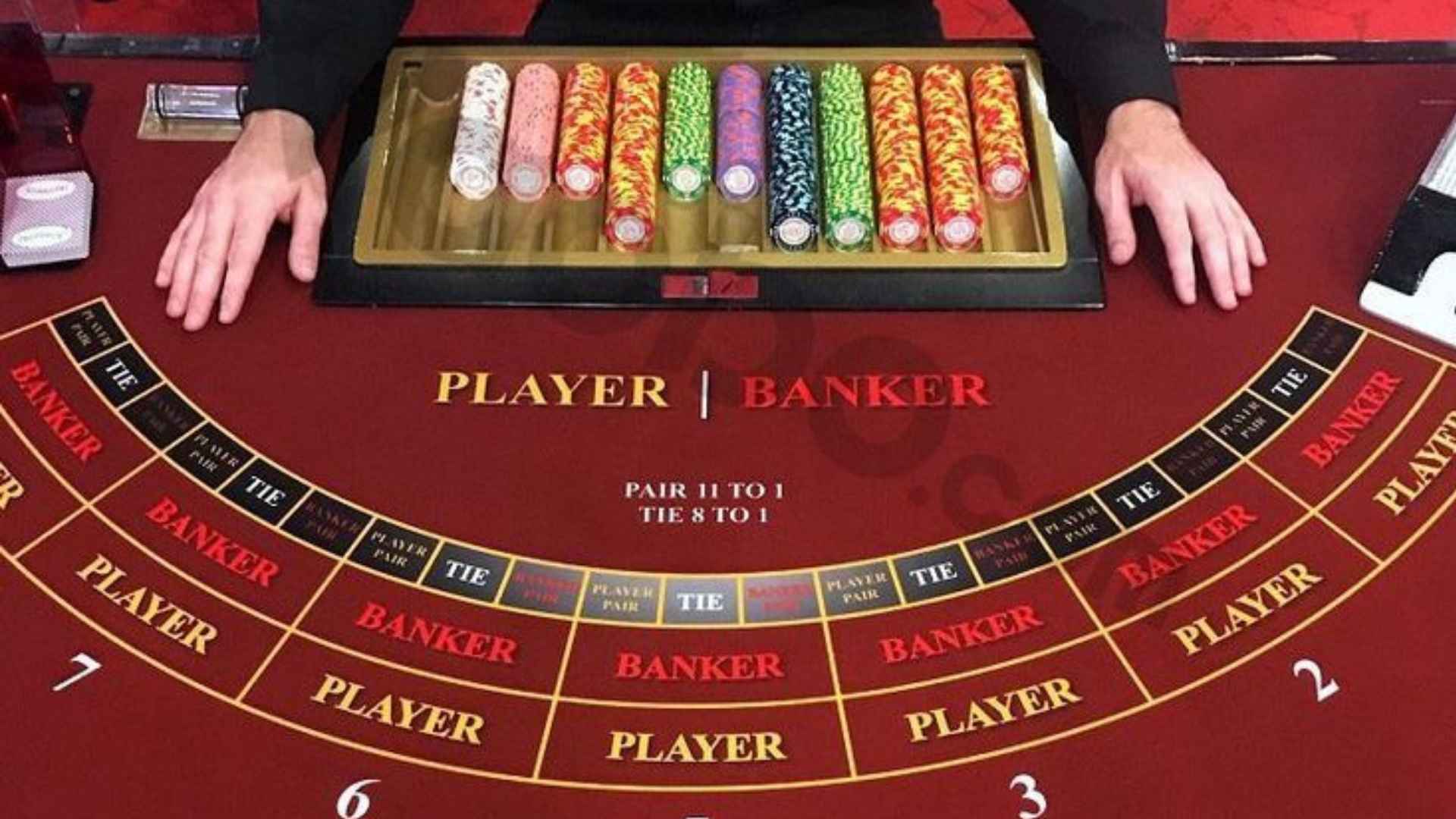
Sitting down for a dedicated poker practice session is about more than just analyzing card probabilities and math. It serves as a continuous review of the specialized vocabulary and strategic labels that drive your decisions during live gameplay. Repeating these core terms regularly ensures that vital table jargon becomes second nature when the chips are moving fast.
The Core Language of Betting Choices
Every hand played during a training drill requires a deep understanding of standard action verbal cues. When players practice their responses to an opponent's wager, they must decide whether to match the existing chips or push the stakes higher. Consistently defining these options helps players transition seamlessly between slow-paced study and rapid-fire live execution.
For instance, choosing to match a current wager is universally referred to as a call, which keeps you active in the hand without accelerating the pressure. Conversely, opting to raise means you are actively increasing the cost of entry for everyone else left in the round. If the risk outweighs the potential reward, a player will fold, abandoning their cards and any chips already contributed to the middle.
Evaluating Risk and the Central Pool
Before any complex psychological strategies can be practiced, students must master the basic terms governing the central rewards. The total collection of chips accumulated throughout a single round is called the pot, and maximizing its size is the ultimate goal of any winning strategy. Understanding how this pool grows based on strategic inputs is essential for calculating long-term profitability.
To build this initial pool before the dealer even distributes the cards, games rely on forced contributions from specific seats based on table layout. These mandatory contributions are called blinds, and tracking how they rotate ensures you are never caught off guard during an active session. Many learning resources suggest reviewing these positional dynamics on a trusted M88 togel platform to build better spatial awareness. Getting comfortable with these structural elements helps competitive minds plan their budgets and anticipate defensive scenarios effectively.
Deception Tactics and Tactical Misdirection
Once the basic rules and spatial frameworks are clear, practice sessions shift toward mastering advanced psychological vocabulary. A bluff occurs when a participant executes a large wager with a weak hand, aiming to convince opponents to surrender superior cards out of fear. Practicing this maneuver requires exceptional timing, as players must analyze board textures to ensure their story remains believable.
Another critical concept to internalize during study groups is the idea of a semi-bluff, where a player wagers with a hand that is currently weak but has a strong statistical chance to improve in later rounds. This dual-layered strategy provides two paths to victory, either by forcing an immediate fold or by hitting a winning card on the final reveal. Reviewing these scenarios regularly prevents analytical minds from relying purely on luck or predictable patterns.
Managing Variance and Sudden Reversals
Even the most calculated choices at the card table can occasionally lead to unexpected and painful outcomes due to natural mathematical variance. A bad beat refers to a specific scenario where a highly favored, statistically dominant hand loses to an opponent who catches an unlikely card at the very last moment. Experiencing these moments during drills teaches serious students to maintain emotional control when probabilities shift unexpectedly.
Developing a resilient mental approach helps competitors realize that short-term losses are a natural part of any data-driven game. By treating every setback as a learning metric rather than a personal failure, individuals can protect their bankrolls and preserve their decision-making clarity. Internalizing this professional mindset ensures that you remain calm, disciplined, and focused during high-stakes encounters.